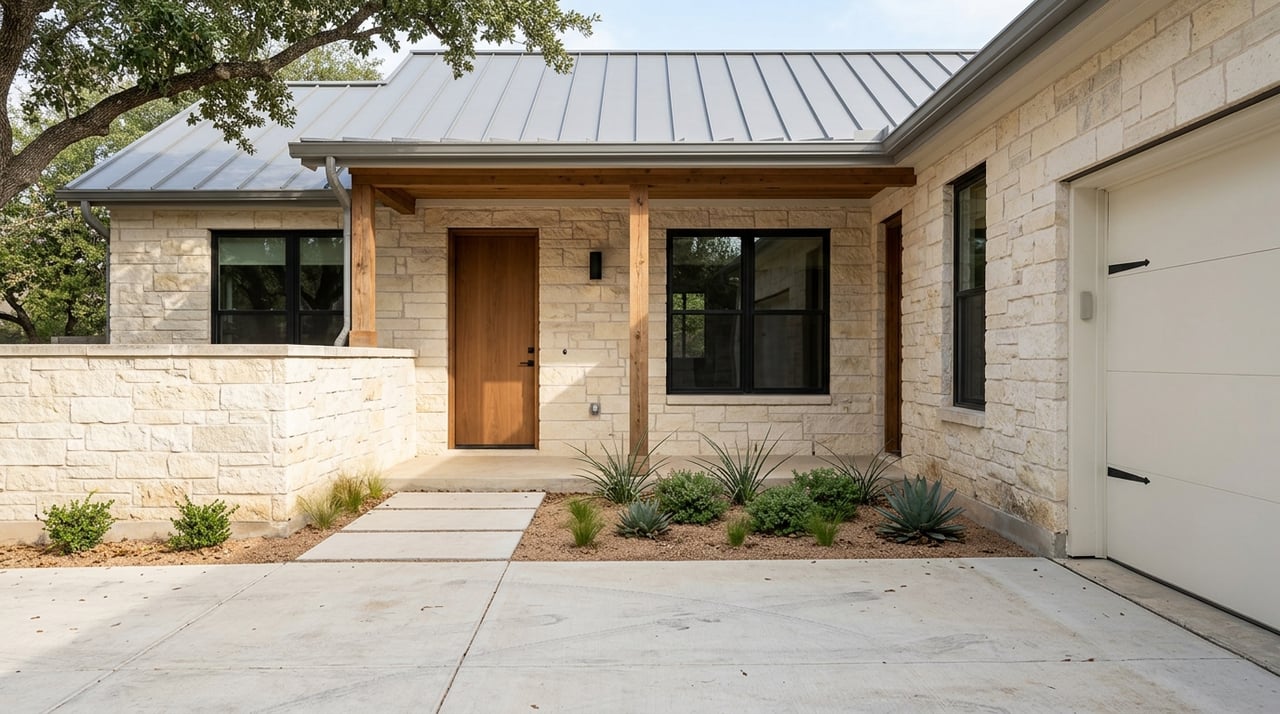
Thinking about buying a home in Round Rock but not sure what the numbers mean or how fast you need to move? You are not alone. As a North Austin suburb with strong job access and steady new construction, Round Rock can feel competitive in some price points and relaxed in others. In this guide, you will learn the key market basics, which metrics matter, how to read price tiers, and what steps help you win. Let’s dive in.
Published: December 1, 2025
Why Round Rock draws buyers
Round Rock sits within the Austin metro, so commute access and proximity to major employers often shape demand. You get suburban neighborhoods, established amenities, and a steady pipeline of new home communities. That mix gives you options, from resale single‑family homes to builder inventory with incentives.
Texas does not have a state income tax, so property taxes and any HOA dues are a big part of your monthly budget. You can review tax histories and assessed values through the Williamson County Appraisal District.
Market rhythm to expect
Like many suburban areas, activity tends to rise in spring and summer and slow in late fall and winter. Builder releases can add inventory at certain times, which may improve your choices in specific neighborhoods or price points. Plan your search with this seasonal flow in mind so you can tour quickly when the right home appears.
The metrics that matter
When you look at market updates, you will see a lot of numbers. Here is what to pay attention to and why each metric matters.
Median sale price (rolling 12 months)
Median sale price shows the middle of the market. Using a rolling 12‑month view smooths out short‑term swings and gives a clearer trend. Ask for the most recent ACTRIS snapshot and make sure it is time‑stamped.
New and active listings
New listings tell you how much fresh inventory is arriving each month. Active listings show your real‑time choices. Rising actives usually mean more selection and potentially more negotiating room.
Months of inventory by tier
Months of inventory, or MOI, is active listings divided by the monthly sales rate. As a rule of thumb:
- Under about 3 months is a seller’s market with tighter supply.
- Around 3 to 6 months is more balanced.
- Over 6 months gives buyers more leverage.
Always check MOI by price tier because entry‑level homes often move faster than premium homes.
Days on market
Median days on market is the time from listing to contract. Low DOM points to faster competition and the need to be offer‑ready. Higher DOM suggests you can take more time and negotiate.
Percent of list price received
This shows how close purchases land to the asking price on average. When the percentage is near or above 100, strong pricing and clean terms matter. When it is lower, you may see room for concessions.
Inventory mix and new construction
The mix of resale vs. new homes affects your strategy. New construction can soften competition in certain price bands because builders may offer incentives or rate buydowns. Compare builder net costs with resale options and factor in warranty coverage.
Pending and closed sales trends
Pending sales are a near‑term momentum read. Closed sales confirm what actually transacted. Together they help you see whether demand is heating up or cooling.
Financing and cash share
A higher cash or investor share can change offer dynamics. If you plan to finance, a strong pre‑approval and clean terms help you compete against cash.
Price appreciation view
Year‑over‑year price change can help you set expectations, but monthly numbers can be noisy. Ask for rolling 3‑ or 12‑month comparisons for a steadier read.
How to read price tiers in Round Rock
Instead of fixed dollar bands, define tiers relative to the current median so your strategy stays current:
- Entry or affordable: up to about 75 percent of the median.
- Move‑up or mainstream: about 75 to 150 percent of the median.
- Premium or luxury: above 150 percent of the median.
Request months of inventory and days on market for each tier. Entry often runs tighter, so you may need faster decisions and stronger terms. Move‑up can be more balanced. Premium may offer more selection, depending on the season and builder activity.
Property types you will see
Resale single‑family homes
You will find both established neighborhoods and newer subdivisions. Inspections matter because system ages and prior repairs can vary. Recent comparable sales help set a fair offer price.
New‑construction homes
Builders may be firm on base price, but incentives and closing timelines can shift the net cost. Review warranty coverage, the final punch list process, and required city inspections or certificates before closing.
Townhomes and condos
Inventory is smaller than single‑family options. HOA rules, fees, and reserves are key. Some financing programs have condo‑specific requirements, so share any community details with your lender early.
What buyers should expect
- First‑time buyers: Entry‑level homes can move quickly. Have a pre‑approval ready, plan to tour quickly, and discuss appraisal and inspection timelines before you write.
- Move‑up buyers: You may see more choices in the mid‑range. If you are selling and buying, coordinate timelines and financing with your agent and lender so you keep flexibility.
Beyond your mortgage, plan for property taxes, HOA dues if applicable, insurance, and a maintenance or upgrade reserve for older homes.
Writing an offer that wins
In tighter tiers, strong offers usually include:
- A competitive price guided by recent comparable sales.
- Clean contract terms with reasonable timelines for inspection and financing.
- Adequate earnest money and a clear closing date.
- A written pre‑approval from a local lender or proof of funds if paying cash.
Discuss contingency strategies with your agent. Appraisal gaps can occur in fast‑moving segments, so decide in advance how you want to handle potential shortfalls.
Financing basics to know
Common loan options include conventional, FHA, VA for eligible borrowers, and USDA in certain areas. Interest rates change often and can shift your monthly payment and price range. A full lender pre‑approval gives you the speed and confidence to act when the right home hits the market.
Inspections and due diligence
Plan for a general home inspection and, as needed, pest, HVAC, roof, pool, or septic evaluations. For newly built homes, confirm builder warranty terms, final inspections, and last‑minute punch list items. Verify property tax history, HOA dues and rules, and review any floodplain maps if drainage is a concern.
Plan your tours with Beth
Use this quick checklist to make tour days productive and low‑stress.
Pre‑tour
- Get a lender pre‑approval letter and bring a copy.
- Agree on search parameters and price tiers relative to the current median.
- Share non‑negotiables and nice‑to‑haves like commute limits, lot size, or garage needs.
- Ask Beth for a neighborhood snapshot with recent comps, school zone information, HOA notes, and typical days on market.
What to bring
- A checklist for condition, noise, storage, natural light, and yard.
- A phone or camera for notes and photos.
- Questions about utilities, taxes, recent repairs, and seller disclosures.
After tours
- Rank favorites and talk strategy within 24 to 48 hours if the market is active.
- For new construction, clarify lot selection, any elevation premiums, and delivery timelines.
Where to check current numbers
For up‑to‑date Round Rock statistics, ask for an MLS snapshot from the Austin‑area system. The Austin Board of REALTORS operates the regional MLS, which is the most accurate source for active, pending, and closed data. To estimate total monthly cost, review tax history at the Williamson County Appraisal District. For planning and development updates that can affect future supply, check the City of Round Rock Planning and Development Services. For broader context, the Texas A&M Real Estate Center and federal resources like the U.S. Census American Community Survey and the Bureau of Labor Statistics offer helpful regional data.
Note: Market conditions change. If you publish or share numbers, include the source and the snapshot date, and confirm details with your agent.
Next steps
- Get fully pre‑approved with a local lender.
- Request a current MLS snapshot for Round Rock with MOI, DOM, list‑to‑sale ratio, and tier breakdowns.
- Define your price tier and neighborhood criteria.
- Schedule tours and a comparable sales review with Beth.
Ready to move forward with a clear, local plan? Connect with Beth Fitzmaurice for a personalized Round Rock market snapshot and a step‑by‑step path to your next home.
FAQs
How competitive is the Round Rock buyer market right now?
- Competitiveness varies by price tier; ask for months of inventory and days on market by tier from a recent MLS snapshot to see where conditions are tight or balanced.
Should I expect multiple offers on a Round Rock home?
- Entry‑level and well‑priced move‑in ready homes in convenient locations are more likely to see multiple offers, while higher tiers can be more negotiable depending on inventory.
Are new homes in Round Rock cheaper than resale?
- Not always; new builds may have higher list prices but can include builder incentives and lower near‑term maintenance, so compare total net cost and timelines.
How much should I budget for taxes and closing costs in Round Rock?
- Taxes depend on the property’s tax rate and assessment; check recent bills at the county appraisal district, and ask your lender for a closing cost estimate by loan type.
Can I buy in Round Rock with a low down payment?
- Yes, programs like FHA and some conventional options allow lower down payments for qualified buyers; get pre‑approved to understand your monthly payment and any mortgage insurance.
Where can I find accurate Round Rock housing data?
- The regional MLS via the Austin Board of REALTORS is the most accurate source for active, pending, and closed data; always note the source and snapshot date when reviewing stats.