Are you wondering what your Round Rock home would actually sell for right now? You are not alone. With more listings on the market and buyers taking their time, pricing has become the make‑or‑break decision for sellers across Williamson County. In this guide, you will get a clear, step‑by‑step plan to set a strong list price, avoid long days on market, and protect your bottom line. Let’s dive in.
Round Rock market at a glance
If you follow headlines, you have seen mixed signals. That is normal in a shifting market. Here is the quick read sellers need in early 2026:
- According to Redfin’s January 2026 snapshot, Round Rock’s median sale price was about $387,450, down roughly 3.5% year over year, and median days on market around 102 days.
- Zillow’s typical home value for Round Rock was near $402,574 as of January 31, 2026, with a median days‑to‑pending near 88 days. Their figures are model‑based and smoothed, so they often show different timing than MLS medians.
- Realtor.com’s late 2025 stats showed a median listing price around $414,995 and a median days on market near 88 days.
Local reporting for the broader Austin area showed higher inventory and longer marketing times through late 2025. The takeaway is simple. Round Rock is not the hyper‑competitive seller environment of 2020 to 2022. Buyers have options, so disciplined pricing is essential if you want to attract offers without multiple reductions.
How Beth sets a list price
A great price is never a guess. It is a documented, data‑driven range grounded in recent comparable sales and today’s competition. Here is the approach Beth uses to build a reliable Comparative Market Analysis (CMA).
Define your micro‑market
Start close to home. Beth narrows comps to your subdivision or the immediate set of blocks, and controls for commute corridors and other practical factors buyers weigh. School assignments can influence buyer pools, so she confirms the property’s attendance zone with Round Rock ISD. This micro‑market view keeps the analysis relevant and avoids averaging very different neighborhoods together.
Pull the right comps
Beth prioritizes 3 to 6 closed sales from the last 3 to 6 months that match your home’s size, age, and features. She also studies 2 to 4 active and pending listings to understand current competition and price tension, plus any expired or withdrawn listings to see where the market said “no.” These steps reflect industry standards taught in NAR’s Pricing Strategy Advisor course (PSA). Recent solds carry the most weight, but actives and pendings help set your launch strategy.
Adjust for market movement
If a comp closed a few months ago and conditions have shifted, Beth makes a time adjustment before comparing value. With Round Rock showing flat to slightly lower year‑over‑year prices and longer days on market in late 2025, time adjustments tend to be modest and cautious. The goal is to reflect what a buyer would pay today, not last summer.
Adjust for your home’s features
No two homes are identical. Beth evaluates finished square footage, bedroom and bath count, lot size, pool, recent updates, roof and HVAC age, outdoor living, and overall condition. Appraisal practice supports making explicit, well‑reasoned adjustments rather than relying only on averages. For a closer look at how professionals structure adjustments, see this overview of appraisal principles and reconciliation methods (appraisal guidance).
Reconcile to a clear price range
After adjustments, Beth reconciles to a low, likely, and high value range, then pairs that with your selling goal. She also maps price psychology cutoffs buyers use when searching. For example, $399,900 and $400,000 catch different filters online. Expect a candid discussion about where your home will compete best and why.
Understand price per square foot
Price per square foot is a helpful anchor, not the full story. Recent public feeds show many Round Rock neighborhoods trading around the $190 to $205 per‑square‑foot band, but individual pockets vary above and below that range. Larger homes often carry a lower per‑foot value, while homes with strong updates, pools, or premium lots can trade higher. Beth uses per‑foot medians to set a baseline, then corrects for real‑world features and buyer expectations in your micro‑market.
Choose a pricing strategy
Once you have a data‑based range, you pick a path that fits your timing and risk tolerance.
If you want top‑dollar
You can list near the top of the plausible range, accept a longer marketing time, and negotiate from there. In today’s market, this choice often reduces early showings and can lead to later price reductions if the response is soft. Each reduction risks signaling weakness to buyers. Beth will show you past sale‑to‑list ratios and days‑on‑market trends so you understand the trade‑offs before you choose.
If you want speed and exposure
You can list at or slightly below the competitive band to spark immediate interest. In many cases, this produces stronger traffic in the first two weeks and can invite multiple offers, even in a cooler market. This route is useful when you are making a contingent purchase or relocating on a deadline. Beth will calibrate how aggressive to be based on current actives, pendings, and buyer feedback.
Launch smart and read the first two weeks
The first 7 to 14 days are the most important. Most qualified buyers will notice your home during this window.
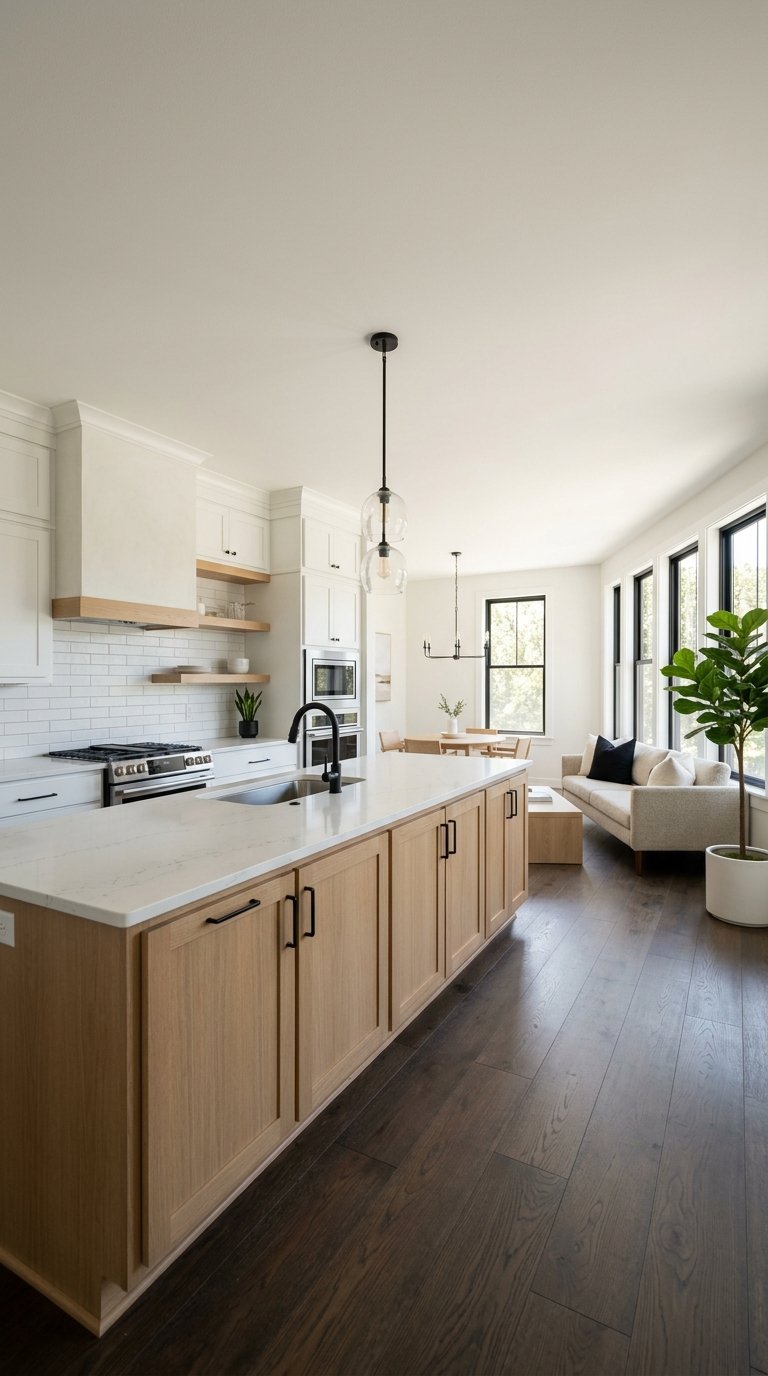
- Prep the property. Knock out small repairs, deep clean, and stage key rooms or declutter to show space and light. Beth can coordinate vendors and, when appropriate, leverage Compass Concierge to front the cost of select improvements that help your home show its best.
- Invest in pro media. Professional photos and floor plans improve online engagement and can support a stronger price. Local data supports what many sellers have seen first‑hand: quality media leads to more showings and better outcomes. Learn more about how media affects results in this overview of professional listing photography impact.
- Track performance. In week 1 and week 2, Beth monitors showings, agent feedback, and online activity. These early signals tell you if the price is landing with the right buyer pool.
If showings are low and feedback pins price as the issue after 7 to 14 days, plan a modest, staged price reduction of about 1 to 3 percent or consider buyer‑centric incentives like a closing cost credit or a short rate buydown. Larger, late cuts often make buyers more cautious. If traffic is solid but buyers object to condition or photos, improve the presentation rather than dropping price first.
Appraisal and financing guardrails
Even with a strong offer, most buyers will have a lender appraisal. Appraisers rely on local comps and adjust for features and market terms. If your contract price sits well above recent, comparable sales, the appraisal may force renegotiation or require the buyer to bring extra cash. Pricing within the range that a well‑supported appraisal would affirm helps you protect your net and your timeline. For context on how appraisers evaluate differences, review this summary of appraisal adjustments and reconciliation.
What matters in Round Rock pricing
Schools and attendance zones
Many buyers review school assignments as part of their decision‑making. Verify your property’s current attendance zone with Round Rock ISD and share any recent updates that improve livability, like a new playground or trail connection. Keep language neutral and factual when referencing schools.
Commute and major employers
Convenient access to I‑35 and proximity to employment centers can increase interest. Dell Technologies’ presence in Round Rock remains a key anchor. You can see recent coverage of Dell’s local footprint in this Austin American‑Statesman report on its Round Rock expansion. If your home offers an easy commute or is close to retail like La Frontera or the Premium Outlets, highlight those benefits in your listing copy.
Neighborhood price bands
Round Rock is diverse, from established pockets to newer master‑planned communities and premium areas like Forest Creek. That is why Beth builds your CMA around your immediate micro‑market, not the citywide median. Expect a per‑neighborhood view of price per foot, days on market, and the current active competition so your list price reflects where buyers shop for a home like yours.
AVMs vs a real CMA
Online Automated Valuation Models, like Zestimates or other site estimates, are helpful for trend context but they smooth data and can lag real‑time shifts. Their methods differ by platform, which is why they rarely match each other or your final CMA. If you want background on how a popular AVM index is built, this primer explains how one model uses smoothed estimates to show typical values over time (AVM methodology overview). Beth uses AVMs as broad guardrails, then confirms value with appraiser‑style comps and adjustments.
Quick CMA checklist Beth uses
- Verify RRISD attendance zone and note assigned schools. (RRISD)
- Pull 3 to 6 recent sold comps in the same micro‑market, plus 2 to 4 current actives and pendings, and 1 to 2 expireds.
- Tabulate price per square foot across comps, then apply dollar adjustments for condition, size, lot, and features. See appraisal guidance.
- Set a low, likely, and high target range and align to your timing goals.
- Launch with professional media, run a 14‑day marketing pulse, then adjust based on showings and feedback. Reference the value of pro media here: photography impact.
What you could net: a simple example
Here is a quick, simplified illustration. Your actual net will depend on your contract price, contingencies, and payoff.
- Sample list price: $415,000
- Expected contract price based on comps: $408,000
- Typical seller costs estimate:
- Brokerage and buyer broker fees, title insurance, and standard closing costs: assume 7 to 9 percent combined for this example. At 8 percent, that is $32,640.
- Seller‑paid concessions or repair credits, if needed: estimate $3,000.
- Mortgage payoff: this is unique to you; insert your current payoff figure here.
- Estimated net before mortgage payoff: $408,000 minus $32,640 minus $3,000 = $372,360
Beth will prepare a detailed net sheet tailored to your home and strategy so you can compare scenarios side by side.
Ready to pick your price?
Pricing is part math, part message. The math comes from credible comps and careful adjustments. The message is the signal your price sends to buyers in the first two weeks. When those pieces work together, you avoid long days on market and protect your net. If you are planning to sell in Round Rock, Beth will build a data‑driven CMA, coordinate polished prep with Compass Concierge where it fits, and guide your launch through that critical first 14 days. Connect with Beth Fitzmaurice to start your pricing plan.
FAQs
How long does it take to get an offer in Round Rock today?
- Local reports show median days on market ranging from about 88 to 102 days depending on the data source and price tier, with the first two weeks being the most important test of your price and presentation.
What if my home does not get showings in the first two weeks?
- If traffic is low and feedback cites price, consider a modest reduction of 1 to 3 percent or offer buyer incentives like a closing cost credit, then reassess again after another 7 to 14 days.
How do appraisals affect my final sales price?
- Lenders usually require an appraisal that relies on recent comps and adjustments; if the contract price is above supportable value, you may need to renegotiate or the buyer may need to bring additional cash.
Are online estimates accurate for Round Rock homes?
- AVMs are useful for broad trends but often lag and smooth local shifts; Beth uses them as context, then confirms value with a detailed CMA built from recent, nearby comps and today’s active competition.
What factors can help my Round Rock home command a stronger price?
- Polished presentation, convenient access and amenities, recent updates, a premium lot or outdoor living, and accurate pricing within your micro‑market all support higher buyer interest and stronger offers.