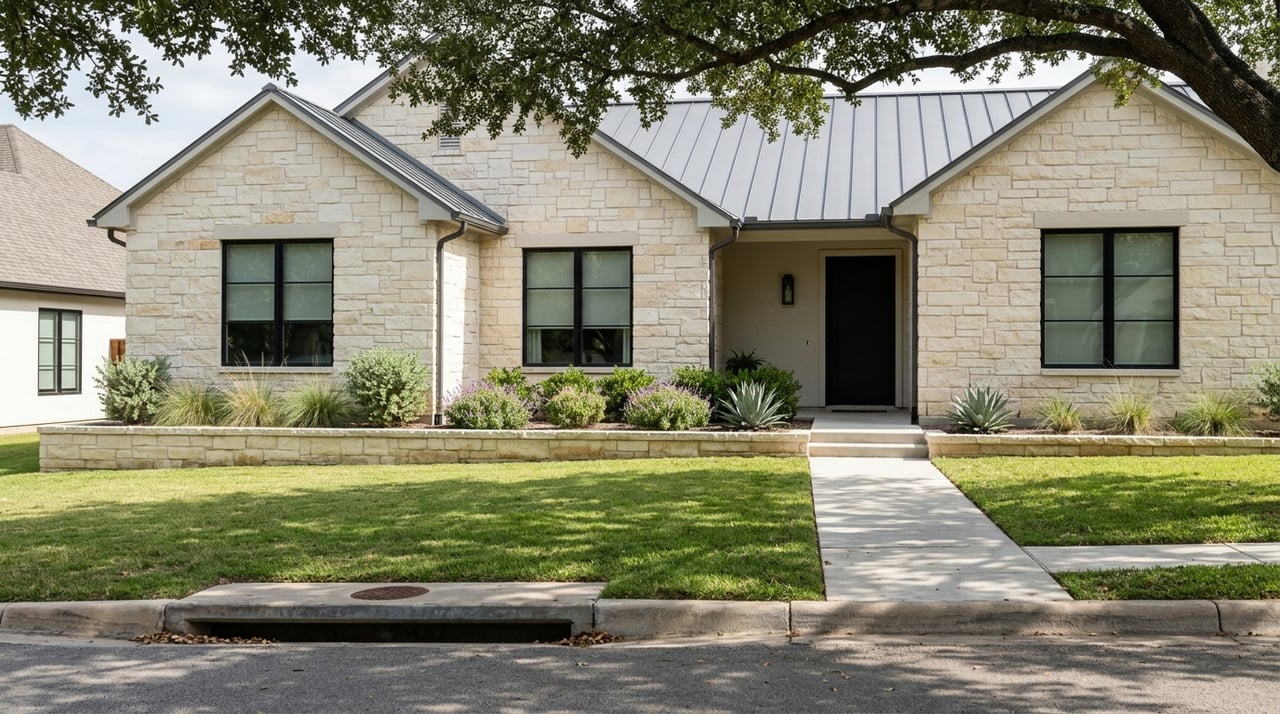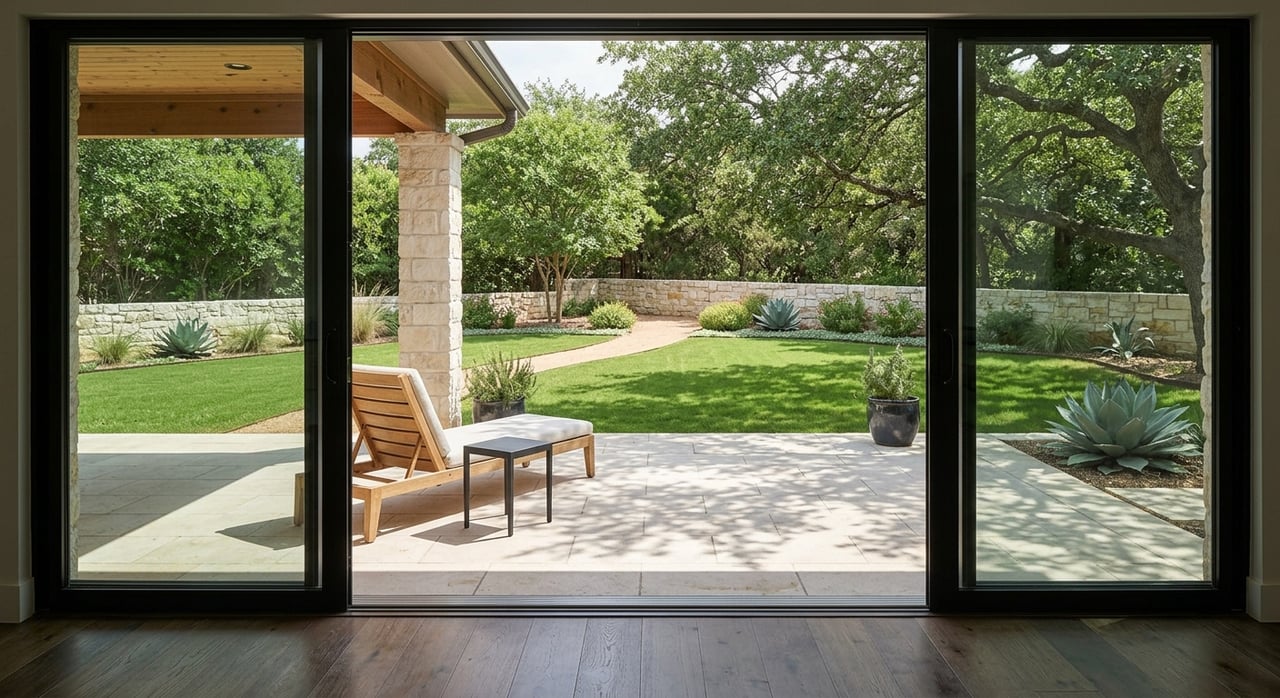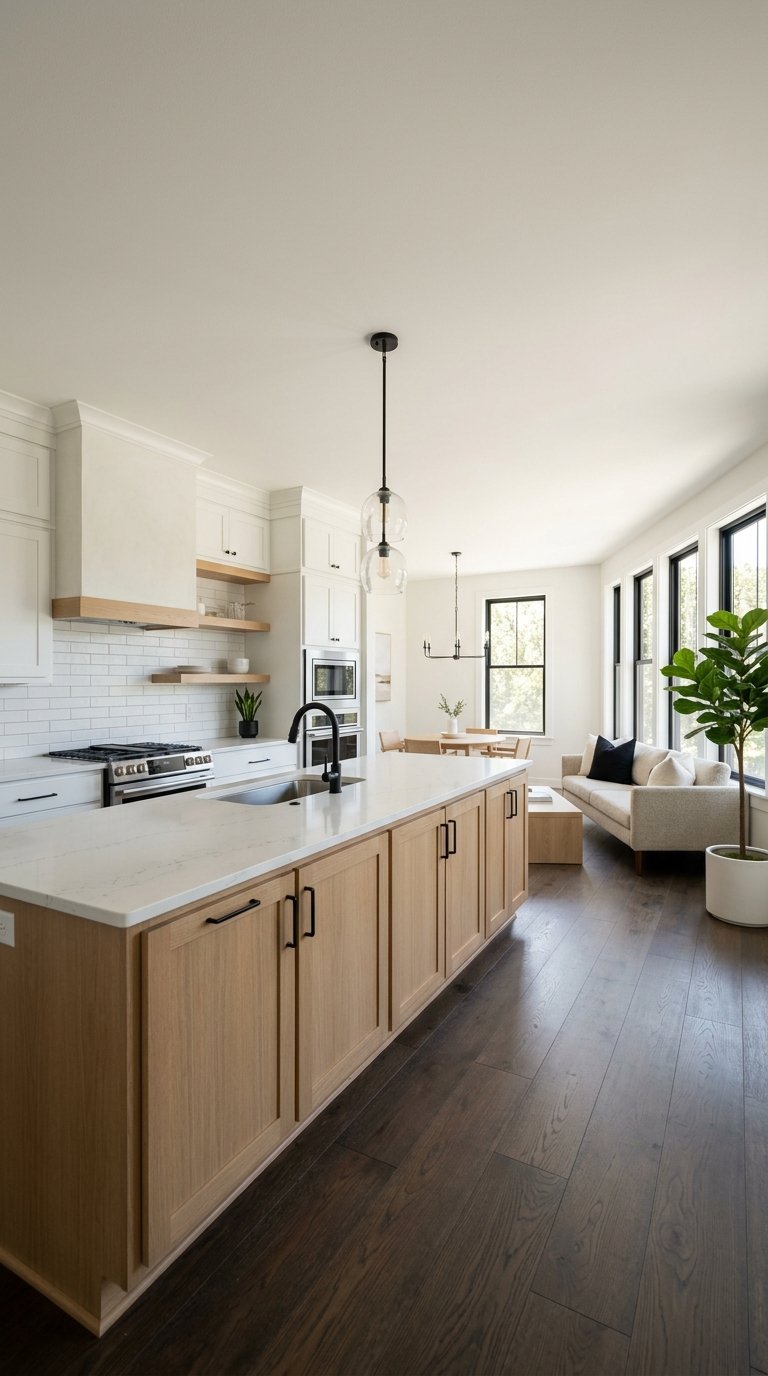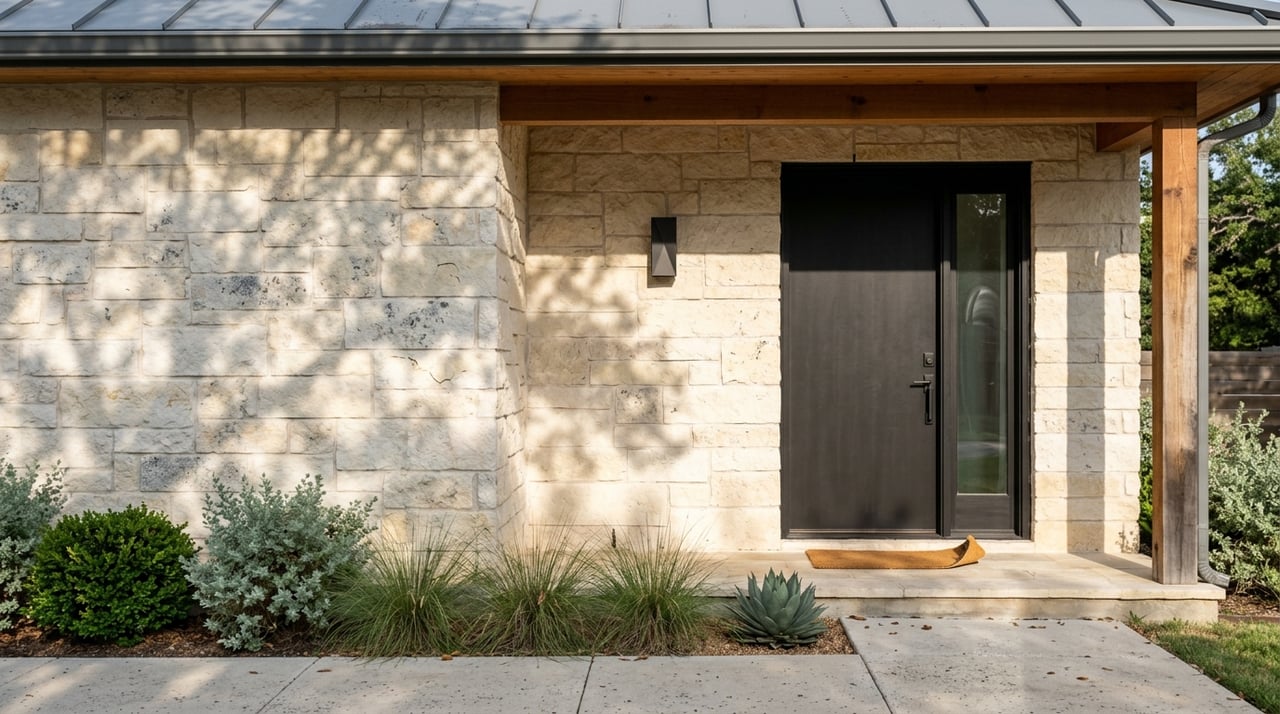
Thinking about buying in Round Rock and stuck between a brand-new home and an established resale? You are not alone. In a fast-growing city with new communities, older neighborhoods, major employers, and changing commute patterns, the right choice often comes down to how you want to live day to day. This guide will help you compare the tradeoffs that matter most in Round Rock so you can move forward with more clarity. Let’s dive in.
Why This Choice Matters in Round Rock
Round Rock gives you a wide range of housing options. The city has an estimated 141,282 residents in 2025, sits about 15 miles north of Austin, and continues to attract buyers who want access to major employers, retail, parks, and regional commuting routes.
That variety is a big plus, but it also means “new” and “established” can feel very different from one part of the city to another. Some buyers are drawn to newer finishes and community amenities, while others want a more varied housing stock and an existing neighborhood feel.
Market context matters too. The Census reports a median owner-occupied home value of $418,600 in Round Rock, while current market trackers show 2026 sale prices below year-ago levels by their respective methods. That makes it even more important to compare the whole package, not just the list price.
What New Homes Often Look Like
In Round Rock, new construction often means a more compact footprint than many buyers expect. City code allows a range of residential lot sizes, including categories like 5,000, 5,500, 6,500, and 10,000 square feet depending on the zoning district.
The city’s housing framework also allows higher-density single-family development in some districts on smaller or common lots. In practical terms, that means a new single-family home may come with a narrower lot, less yard space, and a more uniform streetscape than older suburban homes nearby.
Current builder examples show that range clearly. Some communities offer townhomes or cottages with lower HOA dues and shared amenities, while others offer detached homes on smaller homesites with HOA-maintained front yards, pools, courts, parks, and retail access nearby.
What Established Homes Often Offer
Established resale homes in Round Rock tend to bring more variety. The city’s housing stock spans from the 1870s to the present, especially in and around older residential areas and downtown, so style, age, layout, and renovation quality can differ quite a bit from one property to the next.
That variety can be a real advantage if you want something less standardized. Instead of choosing from a set of builder packages, you may find homes with different floor plans, larger or more individualized lots, and a stronger sense of architectural variety.
At the same time, established homes usually come with more unknowns. Updates, systems, maintenance history, and prior renovations can vary widely, so each home needs to be evaluated on its own merits.
Lot Size and Yard Space
One of the biggest Round Rock-specific differences is lot size. Newer homes are often built on smaller lots, especially where the city allows compact single-family development or attached housing formats.
That can work well if you want less yard work and a simpler routine. But if outdoor space is high on your list, it is worth comparing lot dimensions closely rather than assuming all detached homes offer the same amount of room.
With established homes, lot size can vary a lot by parcel and neighborhood. Round Rock’s zoning and development patterns have changed over time, so it is smart to verify the actual lot and usable yard space for each property instead of relying on neighborhood assumptions.
Maintenance and Early Costs
Many buyers choose new construction because they want lower immediate maintenance. A newer roof, systems, appliances, and finishes can make the first few years feel more predictable.
That does not mean new homes are maintenance-free. It simply means you may have fewer near-term repair items compared with an older home that has had more years of wear.
Established homes can offer value and character, but you should plan for more variation in first-year and first-five-year costs. The key question is not just what you pay at closing, but what work the home may need after you move in.
HOA Rules and Community Structure
If you are comparing new and established homes in Round Rock, HOA structure deserves close attention. Newer communities often come with more formal HOA oversight, along with shared amenities and neighborhood standards.
For some buyers, that is a plus. A more structured community can mean maintained common areas, bundled amenities, and a more predictable appearance from home to home.
For others, it can feel restrictive. In Texas, mandatory-membership associations must file management certificates, and resale certificates disclose assessments, transfer fees, and other subdivision information. Before closing, you should confirm whether a property is subject to mandatory HOA membership and review those documents carefully.
Established homes may or may not have an HOA. And even in older areas where an HOA exists, rules and fees can differ significantly, so this is never something to assume.
Amenities: Packaged vs Organic
New communities often appeal to buyers who want built-in amenities right where they live. In Round Rock, builder communities may include pools, pickleball courts, trails, front-yard maintenance, and other shared features as part of the neighborhood offering.
Established homes usually connect you to a different kind of amenity profile. Instead of a master-planned package, you may be closer to long-standing civic, retail, and park destinations that are part of Round Rock’s older fabric.
That broader citywide amenity base is strong either way. Round Rock includes major destinations like Old Settlers Park, which spans 645 acres with trails, sports fields, and Rock’N River Water Park, as well as Round Rock Premium Outlets with 125 stores.
Commute and Daily Driving Patterns
Commute is a major part of the decision in Round Rock. The average commute time is 24.9 minutes, but your daily experience can differ a lot depending on which corridor you use.
This is especially important because I-35 from Georgetown to Round Rock is identified by TxDOT as one of Texas’s most congested roadways and has a higher crash rate than the statewide average for urban interstates. Ongoing corridor projects and the US 79 improvements show just how central transportation is to local home shopping.
In simple terms, one home may look great on paper but create a tougher daily routine than another. Some newer communities may offer different route options farther from the historic core, while some established homes may place you closer to downtown Round Rock and older civic or retail areas.
Lifestyle Fit: Which Option Suits You?
The better choice often comes down to your priorities. New construction usually fits buyers who want newer interiors, lower early maintenance, neighborhood amenities, and a more standardized experience.
Established resale often fits buyers who want more variety in home age and style, a potentially more individual lot or setting, and access to Round Rock’s older neighborhood fabric. Neither option is automatically better. The goal is to match the home to your day-to-day lifestyle, budget, and tolerance for upkeep or HOA structure.
A Smart Round Rock Comparison Checklist
When you are deciding between new and established homes, compare each property on the same set of factors:
- Total monthly payment
- Lot size and usable yard space
- HOA dues
- HOA transfer fees and assessments
- Architectural restrictions
- Commute route and likely traffic patterns
- Proximity to parks, retail, and daily errands
- Expected repair or update costs in the first 1 to 5 years
That side-by-side approach usually reveals the better fit faster than focusing on finishes alone.
Final Thoughts on Buying in Round Rock
In Round Rock, new homes often trade lot width for newer finishes, lower immediate maintenance, and community amenities. Established homes often offer more variety, a less packaged feel, and different access to the city’s older parks, retail, and civic areas.
The right answer depends on what matters most to you once the excitement of the showing wears off. If you want help comparing neighborhoods, monthly costs, HOA details, and commute tradeoffs, Beth Fitzmaurice can help you sort through the options with local insight and a clear plan.
FAQs
What is the biggest difference between new and established homes in Round Rock?
- In Round Rock, new homes often offer newer finishes, lower early maintenance, and community amenities, while established homes usually offer more variety in style, age, lot feel, and renovation history.
Are new construction homes in Round Rock built on smaller lots?
- Often, yes. Round Rock allows a range of lot sizes, and newer single-family development can be more compact than older suburban housing stock.
Do established homes in Round Rock always have larger yards?
- Not always. Lot size varies by parcel, zoning history, and neighborhood pattern, so it should be verified for each property rather than assumed.
Do I need to review HOA documents for a Round Rock home purchase?
- Yes, if the property is in a mandatory-membership association. In Texas, management certificates and resale certificates can disclose fees, assessments, and subdivision information that may affect your decision.
Is commute a major factor when choosing a home in Round Rock?
- Yes. Commute patterns are a key local issue, and corridor choice can make a big difference in your daily routine because travel conditions vary across major roads like I-35 and US 79.
Are established neighborhoods in Round Rock closer to parks and retail?
- Sometimes, but not always. Established homes may offer access to older civic and retail areas, while newer communities may include built-in neighborhood amenities and different route options to daily destinations.