Thinking about trading yard work for more free time? In Cedar Park, you have real options to simplify home care without giving up comfort or location. Whether you want a lock-and-leave condo, a townhome near 183A, or a small-lot home with modest dues, the right fit comes down to costs, responsibilities, and lifestyle. In this guide, you’ll learn how low-maintenance living actually works here, what fees and taxes to expect, and who it tends to suit best, plus a quick checklist to compare communities with confidence. Let’s dive in.
Cedar Park market snapshot and tradeoffs
Cedar Park’s median sale prices generally fall in the mid-400s to about 500 thousand, based on recent aggregator reports. Median rent in the area hovers around the low 2 thousands per month. Market activity has cooled from the 2021–2022 peak, so you may see longer days on market compared to those years. These numbers matter because your decision often comes down to a simple tradeoff: smaller footprint and HOA dues with less upkeep, or more space with a bit more weekend maintenance.
When you compare condos and townhomes to small-lot single-family homes, weigh these line items together: purchase price, HOA dues, property taxes, and a realistic maintenance reserve. That full picture will tell you which option best fits your budget and time.
What “low maintenance” looks like here
Low-maintenance homes in Cedar Park come in a few clear formats. Each one reduces exterior chores in different ways, and HOA dues reflect the level of service.
Condos
- Typical size: about 900 to 1,800 square feet, often 2-bed/2-bath plans.
- How maintenance is reduced: the association commonly handles building exterior, roof, common landscaping, community amenities, and a master or blanket insurance policy for shared elements. You focus on the interior and your utilities.
- What to watch: dues are higher than single-family HOAs because the association carries building-level responsibilities. Confirm exactly what is covered in the resale packet.
Townhomes
- Typical size: roughly 1,200 to 1,700 square feet, often two or three stories with an attached garage and a small private patio.
- How maintenance is reduced: similar to condos, many townhome communities cover exterior maintenance and common areas, which cuts weekend projects and surprise exterior costs.
- What to watch: monthly dues vary by what is covered. Read the CC&Rs to confirm exterior responsibilities, insurance, and any rental policies.
Small-lot single-family (patio or villa homes)
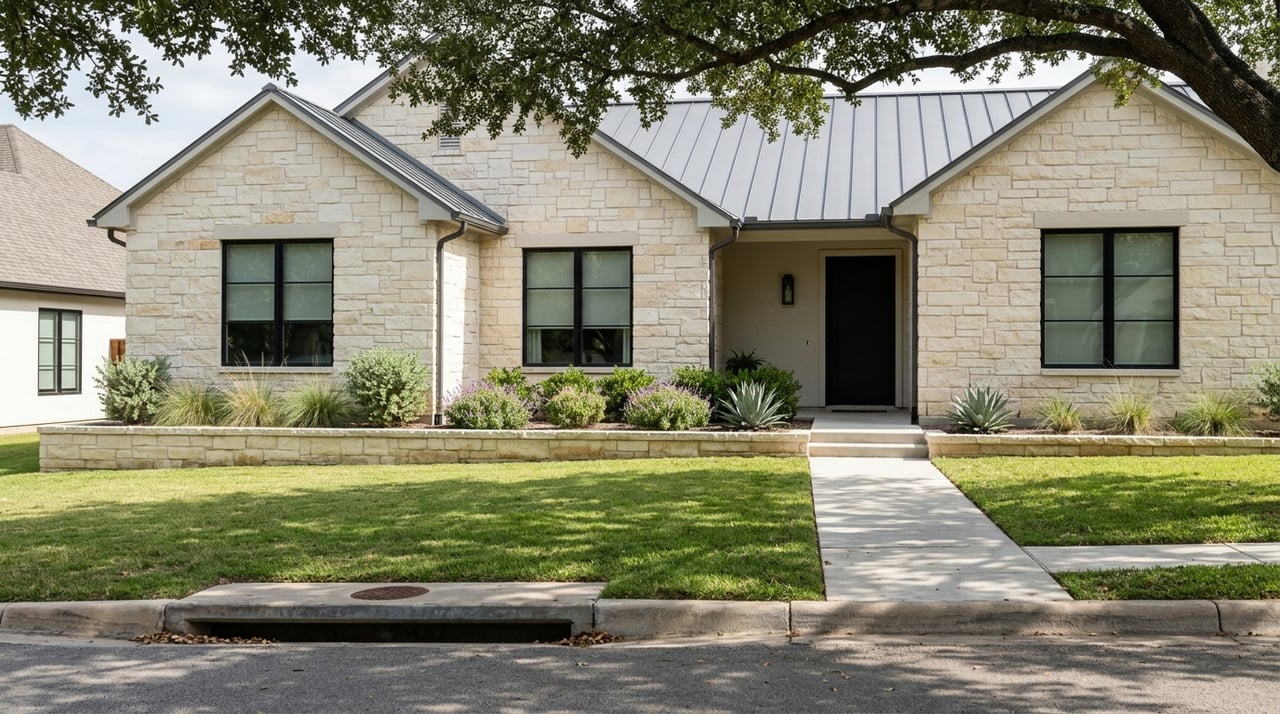
- Typical setup: detached homes on smaller lots inside an HOA. Owners usually handle structure and roof, while the HOA maintains common areas and sometimes limited front-yard care.
- How maintenance is reduced: smaller yards mean faster upkeep, and community landscaping is handled for you.
- What to watch: HOA dues are often modest compared to condos or townhomes because you typically remain responsible for the home’s structure.
Active-adult and “maintenance included” rentals
- Options nearby include active-adult and independent-living communities that advertise lawn care, maintenance services, and robust amenity programs. Examples include Solea, Affinity, and Lakeline Oaks. Explore local offerings like the program details at Solea Cedar Park for a sense of what is included.
- What to watch: these communities trade private outdoor space and full control of exterior changes for a streamlined lifestyle with on-site services.
What it costs to own
Understanding the running costs is the key to choosing well.
HOA dues: typical ranges
- Condos and townhomes: many Cedar Park listings show monthly dues in the roughly 140 to 240 dollar range. These dues reflect building upkeep, amenities, and management.
- Small-lot single-family: many subdivisions post modest dues, often about 30 to 50 dollars per month or a small annual fee, since you usually cover your own structure and roof.
Always verify actual dues and coverage in the HOA resale certificate and governing documents. Associations vary.
What HOAs commonly cover
- Typical inclusions: exterior building maintenance for condos, common landscaping, pool and amenity care, professional management, reserve contributions, and master or liability insurance for common areas. Some associations include trash or irrigation for common spaces.
- Typical exclusions: interior repairs, personal property, most utilities, mortgage and property taxes. In many small-lot single-family HOAs, owners still handle roof and structure. When in doubt, check the CC&Rs and the resale packet.
Property taxes in Williamson County
Property taxes vary by address and taxing districts. County leaders have discussed a county portion around 0.413776 per 100 dollars of value for FY2025–26, and composite effective tax rates in many parts of the county often land in the 1.7 to 2.2 percent range depending on school and special districts. You can review county context in this Community Impact update and verify a specific address using the Williamson County property tax portal.
Your maintenance reserve
Even with an HOA, you should budget for interior systems, appliances, and unexpected items. A common rule of thumb is about 1 percent of home value per year (or roughly 1 dollar per square foot per year). See guidance on budgeting from The Balance. For older homes, consider 1 to 3 percent.
Who it tends to fit
These profiles can help you picture the right fit. Examples are illustrative only.
Downsizers and retirees
- Why it works: single-level condos, maintenance-included active-adult options, or patio homes reduce chores and keep travel simple. You trade less yard and exterior control for more free time.
- Cost example: assume a 475,000 dollar patio home, HOA 45 dollars per month, estimated property taxes at 1.9 percent (about 9,025 dollars per year), and a 1 percent maintenance reserve (about 4,750 dollars per year). If you choose a condo instead, budget a higher HOA for exterior coverage.
Busy professionals
- Why it works: townhomes and condos near Lakeline and 183A cut yard work and often shorten weekly routines. Many communities offer attached garages and practical layouts.
- Cost example: assume a 450,000 dollar townhome, HOA 200 dollars per month, estimated taxes at 1.9 percent (about 8,550 dollars per year), and a 1 percent maintenance reserve (about 4,500 dollars per year). The time you gain may be the key value here.
Investors
- Why it works: townhomes and smaller condos can serve renter profiles looking for North Austin access and a clean, low-maintenance living setup. Always verify HOA rental policies, caps, and reserves.
- Cash flow example: recent local medians put purchase price near 495,000 dollars and rent around 2,150 dollars per month. That is roughly 25,800 dollars annual rent or about a 5.2 percent simple gross yield. If the HOA is about 225 dollars per month, gross before mortgage, taxes, insurance, maintenance, and management drops to about 4.7 percent. This is a simplified illustration only. For lending context on investor loans, see this Austin-area DSCR overview.
How to compare options quickly
Use this simple checklist to stack options side by side:
- Price band and floor plan. Confirm square footage and whether the unit is single-level or multi-level.
- HOA dues and coverage. Note what is included and what remains your responsibility.
- Property taxes. Use 1.7 to 2.2 percent as a planning range, then verify the actual rate for the specific address using the county portal.
- Maintenance reserve. Plan 1 percent of value per year (more for older systems). HOA coverage can reduce exterior surprises but does not eliminate interior costs.
- Commute and daily routine. Consider proximity to 183A, Lakeline, and your go-to errands.
- Resale fit. Ask how the product type trends in Cedar Park and similar suburbs so you understand buyer demand over time.
HOA due diligence checklist
Before you commit, make sure you have the paperwork and answers you need.
- Request the HOA resale packet. Texas associations provide resale certificates and governing documents that outline dues, budgets, reserves, and any planned assessments. Learn how these packets work from this resale document overview.
- Confirm coverage line by line. Exterior, roof, landscaping, trash, sprinkler service, master insurance, and any utilities. Note what is not covered.
- Ask for recent meeting minutes and reserve details. Look for planned capital projects and any history of special assessments.
- For condos and some townhomes, confirm financing eligibility. Ask your lender to check the project’s warrantability and FHA or VA approval status early. Here is a helpful explainer on warrantable vs. non-warrantable condos.
- Model your total cost. Include HOA dues, estimated taxes, insurance, and a maintenance reserve. For planning guidance, see the 1 percent rule context from The Balance.
- Verify property taxes for the address. Use the Williamson County portal to view the actual taxing entities and rates.
Local options to explore
- Arbors at Lakeline: a condo and townhome cluster with practical two- to three-story layouts and community amenities.
- Grand Oaks and Sunset Ridge: multi-unit condo communities that illustrate typical building-level HOA coverage and monthly dues.
- Buttercup Creek and Buttercup Villas: master-planned sections with small-lot or villa-style homes that often carry modest HOA dues and shared-area maintenance.
- Townhome communities near Lakeline and Brushy Creek: attached homes with quick access to 183A and retail, appealing to time-pressed professionals.
Each community has its own HOA scope, amenities, and rules, so confirm the details in writing as you compare.
Is low-maintenance living right for you?
If you want to cut exterior chores, simplify budgeting, and keep close to North Austin corridors, a condo, townhome, or patio home in Cedar Park can be a smart fit. Your next step is to test real numbers against your lifestyle. Line up 2 to 3 communities, gather the HOA documents, and map total cost next to your time savings. A clear side-by-side will usually reveal the right call.
If you want a local partner to shortlist the best options and help you read the fine print, connect with Beth Fitzmaurice. Let’s talk about your next move.
FAQs
What does “low-maintenance” mean in Cedar Park?
- It typically means a condo or townhome where the HOA handles exteriors and common areas, or a small-lot single-family home with modest dues and limited yard care.
How much are HOA dues for condos and townhomes?
- Many Cedar Park condos and townhomes show monthly dues roughly in the 140 to 240 dollar range, reflecting exterior upkeep, amenities, and management.
How do property taxes affect the decision in Williamson County?
- Use a planning range of about 1.7 to 2.2 percent of value, then verify your exact address with the Williamson County property tax portal before you write an offer.
Are condos harder to finance than houses?
- Sometimes; lenders review the entire condo project’s finances and structure, which can affect loan options, so ask your lender to check warrantability early in the process.
Is low-maintenance living good for investors in Cedar Park?
- It can be, but HOA dues change cash flow; a simple median-based example shows about a 5.2 percent gross yield before dues and about 4.7 percent after a typical condo HOA, not including taxes or other costs.
Which Cedar Park communities offer low-maintenance options?
- Arbors at Lakeline, Grand Oaks and Sunset Ridge condos, and Buttercup Creek or Buttercup Villas sections are common examples; confirm HOA scope and dues for any specific listing.