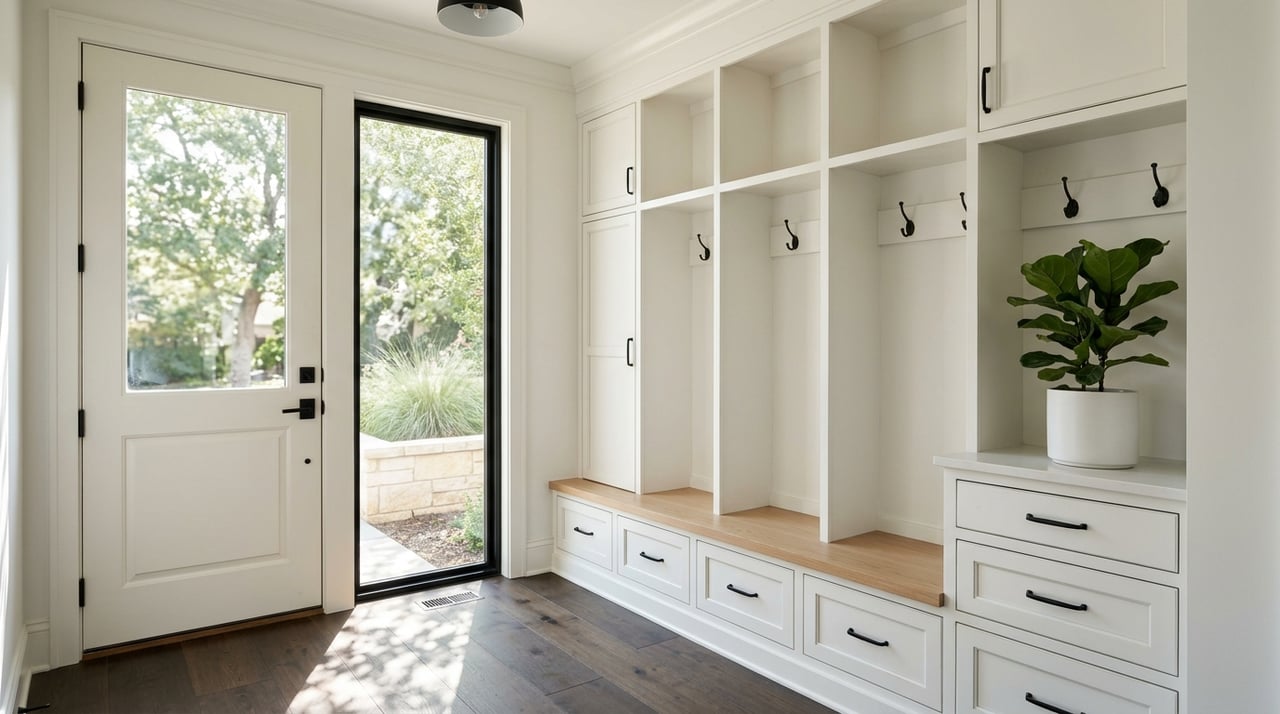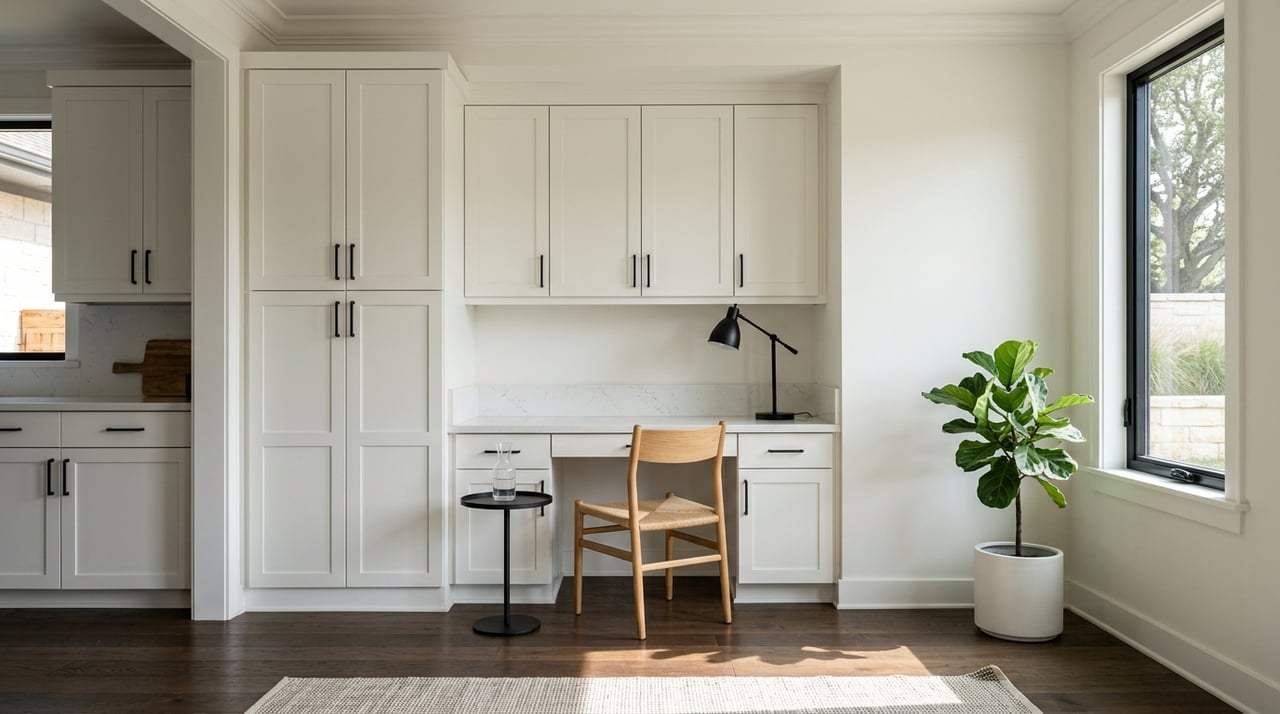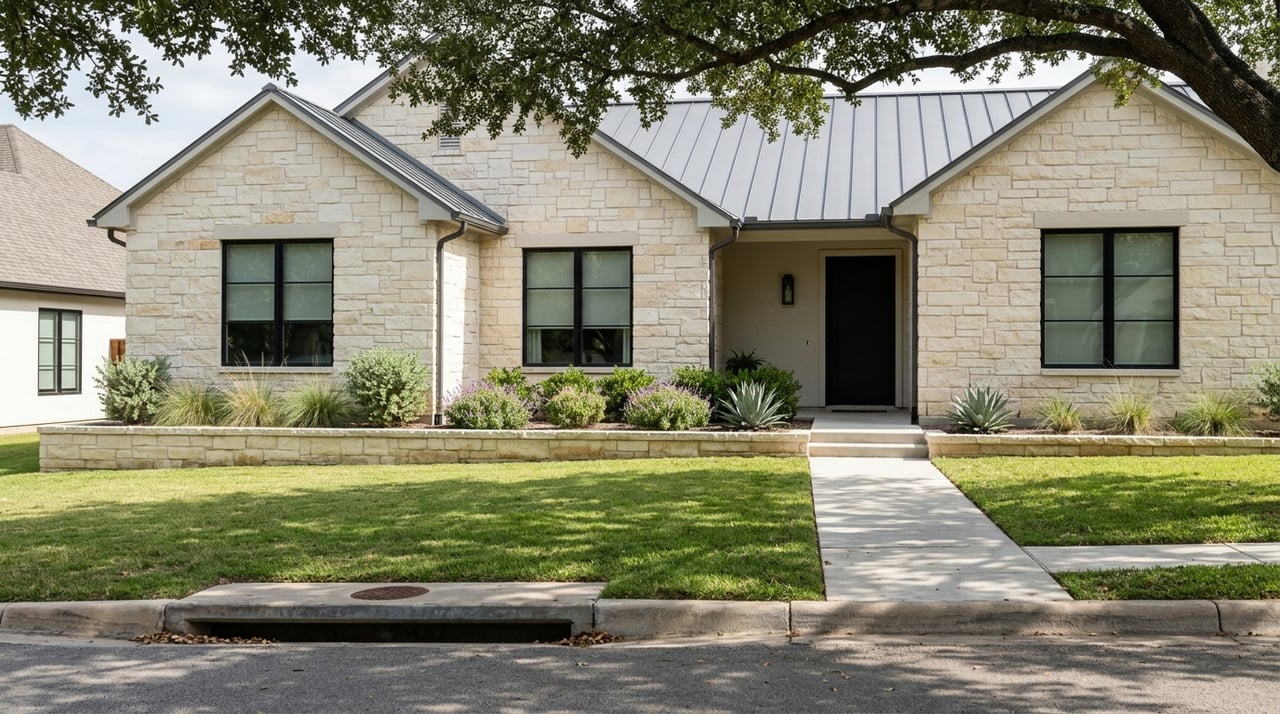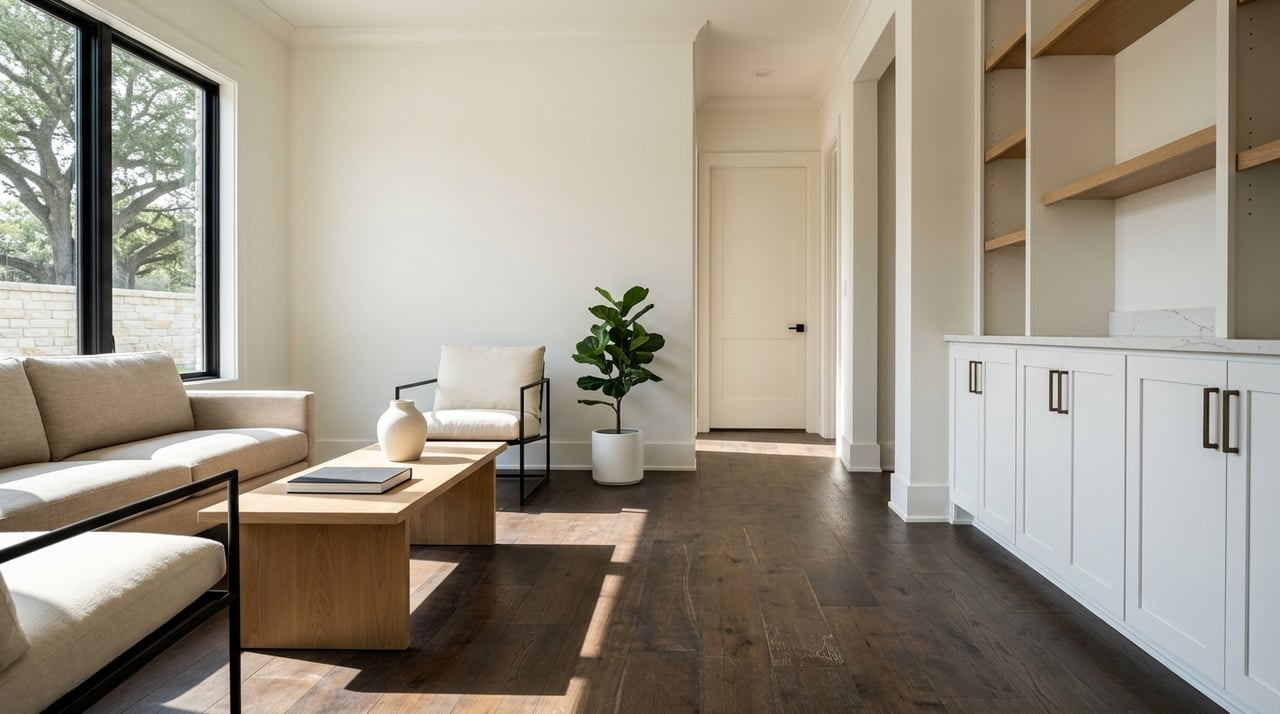
If you love Georgetown but your current home no longer fits your life, you are not alone. Many homeowners reach a point where less space, easier upkeep, and a simpler layout sound better than extra rooms and weekend maintenance. The good news is that you may be able to downsize without giving up the community, routines, and familiar places you enjoy. Let’s walk through how to make a nearby move with less stress and more confidence.
Why downsizing in Georgetown can work
A same-area move can give you the benefits of a smaller home without the disruption of leaving Georgetown. You may be able to stay close to friends, favorite local spots, medical providers, and your day-to-day routines while moving into a home that better matches your current needs.
Current market data also suggests you have options to consider. In May 2026, Realtor.com reported about 2,700 active for-sale listings in Georgetown, with a median listing price of $479,000 and a median 50 days on market. Redfin’s May 2026 snapshot showed a median sale price of $414,752 and homes selling in about 65 days, which points to a market with selection but a need for realistic pricing and timing.
What the market means for right-sizing
For downsizers, the biggest takeaway is simple: your sale and your purchase may move at different speeds. A larger home you are selling may not attract the same buyer pool or timeline as the smaller home you want to buy.
Realtor.com described Georgetown as a buyer’s market in May 2026, and homes were selling for about 1.88% below asking on average. That does not mean your home will not sell, but it does mean careful pricing, preparation, and timing matter. If you want to stay nearby, it helps to look at both sides of the move early rather than treating the sale and purchase as separate projects.
Features to prioritize in a smaller home
If your goal is easier living, layout matters just as much as square footage. Redfin’s spring 2026 feature analysis suggests that single-level living stands out in Georgetown, with single-level homes showing the highest sale-to-list ratio.
That makes practical sense for many downsizers. A home with fewer stairs, easier circulation, and less unused space can feel more comfortable and more manageable day to day.
Look for function over size
As you search, focus on features that support how you want to live now. In Georgetown, marketable features also included large living rooms, mature trees, back patios, covered back patios, large kitchens, ceramic floors, and access to hiking trails.
A smaller home can still live well if the layout is efficient. Open living areas, strong natural light, and usable outdoor space often matter more than having extra rooms you rarely use.
Think about upkeep honestly
Low-maintenance living can be a smart goal, but it is important to define what that really means. A smaller home may reduce yard work or cleaning, but ownership costs still can include repairs, property taxes, insurance, and HOA dues.
If you are considering a condo, townhome, or HOA-managed community, make sure the convenience matches your expectations. Less daily upkeep does not mean zero ongoing costs.
Selling first or buying first
This is one of the biggest questions in a downsizing move. In general, CFPB guidance says that if you want to move, you would normally try to sell your current home first before buying another one.
That approach can reduce pressure, especially if you want a clearer picture of your proceeds before choosing your next home. It can also help you avoid carrying two homes at once.
When selling first makes sense
Selling first may be the cleaner option if you want certainty around your budget. If your equity from the current home will help fund the next purchase, closing that sale first can make your buying plan more straightforward.
This can be especially helpful in a market where homes are taking several weeks to sell. With Georgetown homes spending around 50 to 65 days on market in the May 2026 snapshots, building in time can help you avoid rushed decisions.
When buying first may still work
Sometimes life does not line up perfectly. If the right smaller home becomes available before your current home sells, there may be ways to bridge the timing gap.
The research report notes that bridge loans can help buyers access equity from their current home before it sells. Common contract tools can also include home sale contingencies, home close contingencies, early move-in arrangements, and rent-back clauses.
How to avoid a gap between homes
The smoothest downsizing moves usually come from early coordination. Your contract dates, possession dates, utility dates, and moving dates all need to work together.
CFPB notes that buyers receive the Closing Disclosure at least three business days before closing. That timing matters when you are trying to line up two transactions close together, because it affects when funds can move and when you can reasonably schedule movers, cleaners, and service transfers.
Use contract timing strategically
If you need flexibility, there are tools that may help. Financing and inspection contingencies can protect your purchase, while sale-related contingencies may help if your current home needs to close first.
The right structure depends on your goals, budget, and tolerance for risk. The key is to plan these terms early, not after both transactions are already in motion.
Consider a short rent-back carefully
If you need a little more time after closing your current home, a post-closing stay may help. This is often called a rent-back or sale-leaseback arrangement.
According to the research report, these agreements should be clearly documented in writing, insurance coverage should be checked, and lender approval should be obtained. Many lenders also will not accept leaseback agreements longer than 60 days, so this is best used as a short-term bridge, not a long-term plan.
Georgetown move logistics to handle early
When you are moving across town or across Williamson County, the small details still matter. Same-area moves can feel deceptively simple, which is why people sometimes leave logistics too late.
One of the most important local details is utilities. The City of Georgetown says new utility starts and move-outs require at least two business days to schedule field staff, and the service address needs to be verified carefully.
Double-check utility service
This is especially important if you are moving into a community with different service structures. The city notes that some communities use separate garbage service through a MUD or HOA rather than city solid-waste service.
Before closing, confirm what utilities are handled by the city and what services are handled elsewhere. That quick check can prevent confusion on move-in week.
Property tax details to review before you move
If you are downsizing within Georgetown, tax planning should be part of your prep list. This is especially true if the new home will become your primary residence and you currently receive homestead-related benefits.
The Texas Comptroller says homestead exemption applications are generally filed with the appraisal district in the county where the property is located. The normal deadline is before May 1, and the application requires you to state that you do not claim another residence homestead in or outside Texas.
You may need to file again
If you buy a smaller home and make it your new primary residence, do not assume your homestead paperwork transfers automatically. In most cases, you will need to apply with the appraisal district for the new property.
That is a simple step, but it can affect your tax bill if overlooked. It is worth planning for before your move is complete.
Senior tax protections may still help
For homeowners age 65 or older or those who qualify for disability-related exemptions, the Texas Comptroller says there is an additional $60,000 residence homestead exemption for school taxes. Williamson County also says a tax ceiling can be transferred from a recently sold homestead to a new homestead within Texas.
Because that process is specific, it is smart to verify the details early. If these protections apply to you, reviewing them before you list or write an offer can help you make a more informed decision.
A smart downsizing plan starts with priorities
Before you tour homes or prepare your current house for market, get clear on what you want this move to accomplish. For some homeowners, downsizing is about reducing upkeep. For others, it is about improving layout, staying close to family, or freeing up cash flow.
A few simple questions can help guide your next step:
- Do you want one-story living?
- How important is outdoor space?
- Would an HOA-managed property feel helpful or restrictive?
- Do you need proceeds from your current home before you buy?
- Would a short rent-back make your move easier?
- Have you reviewed how homestead or senior tax benefits may change?
When you answer those questions upfront, your search becomes more focused and your sale strategy becomes easier to shape.
Keeping your move local and manageable
Downsizing does not have to mean giving something up. In many cases, it means choosing a home that fits your life better while staying close to the Georgetown routines and relationships that matter to you.
With the right timing, a realistic view of the market, and careful attention to details like contingencies, utilities, and property taxes, you can make a nearby move feel far more manageable. If you are thinking about right-sizing in Georgetown, a plan built around your timeline and priorities can make all the difference.
If you are thinking about downsizing within Georgetown and want a steady, local guide for both sides of the move, Beth Fitzmaurice is here to help you plan your next step with care and clarity.
FAQs
What does downsizing within Georgetown usually mean?
- It usually means selling your current Georgetown home and buying a smaller or easier-to-maintain home nearby so you can keep your local routines, services, and community connections.
Should Georgetown homeowners sell first or buy first when downsizing?
- In general, selling first is often the simpler option because it gives you a clearer budget and access to your equity, though bridge loans and contingency strategies may help if you need to buy before your sale closes.
What home features matter for downsizers in Georgetown?
- Local 2026 feature data suggests buyers respond well to single-level living, large living rooms, mature trees, patios, large kitchens, and practical layouts with easy day-to-day flow.
Can Georgetown downsizers stay in their home after closing?
- Yes, if the contract allows it and the rent-back terms are clearly written, insurance is reviewed, and lender approval is in place.
How far in advance should Georgetown utilities be scheduled for a move?
- The City of Georgetown says utility starts and move-outs should be scheduled at least two business days in advance.
Do Williamson County homeowners need to refile homestead exemptions after downsizing?
- Yes, if the new home becomes your primary residence, you generally need to apply for the homestead exemption with the appraisal district for that property.
Can a Williamson County senior tax ceiling transfer to a new home?
- Williamson County says a tax ceiling can transfer from a recently sold homestead to a new homestead within Texas, but you should verify the process details early with the appraisal district.
Are HOA communities in Georgetown always cheaper to maintain?
- Not necessarily, because lower day-to-day upkeep can still come with costs such as HOA dues, insurance, property taxes, and future repairs.